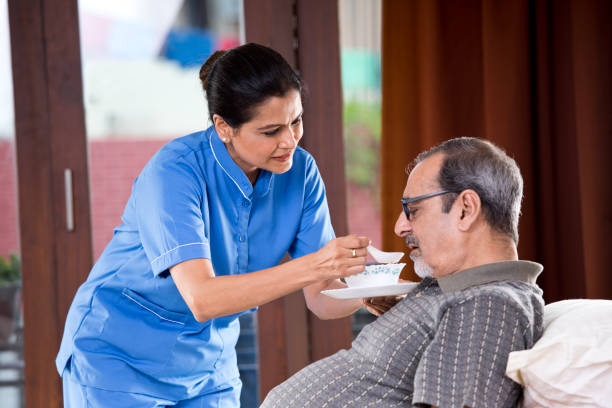
Ok so, nowadays everyone is talking about health. I mean seriously, like everywhere you go people are talking about eating healthy, exercise, organic food, vitamins, supplements, meditation, yoga, and like… everything health related. And then there is this thing called home health care services. People sometimes confuse it with just having a nurse at home or like someone helping with cooking and cleaning. But it’s actually much more than that, you know. It’s like, you get professional care at your home. Not just random help.
Home health care is really becoming popular these days. Especially for elderly people or people recovering from surgery or illness. Hospitals are ok for short visits or emergencies but staying in a hospital for long time is stressful, expensive and sometimes… honestly uncomfortable. No one likes it. Home care lets people stay in their own space, feel relaxed, and still get the care they need.
I mean think about it, you are recovering from surgery, maybe just a knee replacement or heart surgery, and instead of lying in a hospital bed, you can be in your own home, watch TV, sleep in your own bed, eat food you like, and still get nurses or therapists coming in. That’s a big deal.
What is Home Health Care Anyway?
So basically, home health care is medical or non-medical care provided in your home. It can be short term or long term. Short term is usually after surgery or illness. Long term is like elderly people who can’t do everything themselves or people with chronic conditions.
It can include things like:
-
Nurses coming in to give meds, check vitals, or do wound care
-
Physical therapy or occupational therapy at home
-
Help with eating, bathing, getting dressed
-
Emotional support or counseling
-
Sometimes social workers helping with paperwork or finances
So, it’s not just “oh someone will clean your house and cook for you”. It’s actually professional care. And the thing is, it can be for anyone, not just old people. Young adults recovering from accidents, kids with special needs, even people with chronic illness.
Types of Home Health Care Services
There are many types of services. Some people don’t realize it but home care is not one thing, it’s like a whole range of options.
1. Skilled Nursing Care
Skilled nursing is basically professional medical care at home. Nurses come in and do things like:
-
Give injections or medications
-
Check blood pressure, temperature, heart rate
-
Monitor diabetes, hypertension or other chronic conditions
-
Wound care
-
Sometimes IV therapy
It’s usually needed if you just got discharged from hospital or if you have serious health problems. You know, something that family members can’t handle by themselves.
2. Personal Care Assistance
This is more non-medical but super important. Personal care assistants help with:
-
Bathing and dressing
-
Feeding and meal prep
-
Mobility assistance (walking, wheelchair)
-
Toileting support
Honestly, for elderly people, this can be life changing. Some people can’t do everything alone, and having someone around for daily stuff is really helpful.
3. Physical Therapy
So physical therapy at home is great for people recovering from injuries, surgery, or strokes. Therapists come in and help with:
-
Exercises to regain strength
-
Mobility and balance training
-
Pain reduction
-
Preventing future injuries
I think doing therapy at home is better sometimes than hospital therapy because you feel more comfortable and less stressed. And also, the therapist sees your actual home environment so they can give practical advice.
4. Occupational Therapy
Occupational therapy is a little different from physical therapy. It’s more about helping people do everyday tasks independently. Like:
-
Teaching techniques for cooking, cleaning, dressing
-
Suggesting modifications to the home (grab bars, ramps)
-
Providing tools or adaptive devices
This is super helpful for elderly or disabled people. It helps them live more independently.
5. Speech and Language Therapy
Some patients have speech or swallowing problems due to stroke, accidents, or neurological issues. Speech therapy at home helps:
-
Improve speech clarity
-
Regain swallowing ability
-
Improve communication
And the cool thing is practicing in your own home makes it more natural. You practice real life stuff, not just clinic exercises.
6. Home Health Aides
Home health aides are trained to provide supportive care. They help with:
-
Bathing and hygiene
-
Feeding and meal prep
-
Basic monitoring of health
-
Companionship (sometimes people just need someone to talk to)
They are not nurses but very important for day-to-day support.
7. Palliative and Hospice Care
For terminally ill patients, home health care can include palliative or hospice care. Focus is on:
-
Pain management
-
Comfort and dignity
-
Emotional support for patient and family
It’s really about making patient’s final days comfortable. Families often prefer this over hospital stays.
8. Medical Social Services
Some agencies provide social workers who:
-
Help with finances and insurance
-
Provide counseling
-
Help family cope
Illness affects everyone, not just patient. Support is important.
Benefits of Home Health Care
There are many benefits. Let me list some:
-
Comfort – you are at home, not hospital
-
Personalized care – plan according to your needs
-
Family involvement – family can be part of care
-
Cost effective – sometimes cheaper than long-term hospital
-
Reduced infection risk – hospitals have infections
-
Flexible scheduling – you can choose time
Honestly, for elderly people, mental health improves a lot because they feel independent. And recovery is sometimes faster at home.
Challenges
Home health care is great but not perfect. Some issues are:
-
Availability of skilled staff – sometimes agencies don’t have enough nurses
-
Emergency care – you may need hospital in case of emergency
-
Cost – high-quality care can be expensive
-
Coordination – multiple caregivers need good communication
-
Family still needs to help sometimes
It’s important to know these before hiring services.
How to Choose a Provider
Choosing the right provider is very important. Tips:
-
Check credentials – nurses and aides must be certified
-
Look at experience – agency history matters
-
Check services – make sure they provide what you need
-
Read reviews – ask friends, doctors
-
Check emergency plan – what happens if patient deteriorates
-
Cost & insurance – understand coverage
Quality should always come first, don’t just go for cheap option.
Cost
Cost depends on:
-
Type of services
-
Frequency of visits
-
Location
-
Level of care
Insurance sometimes covers part or full cost. Even without insurance, home care can be cheaper than hospital long-term stay.
Tips for Effective Home Care
-
Keep a health journal – medications, symptoms
-
Communicate with caregivers clearly
-
Encourage independence
-
Schedule visits consistently
-
Train family in basic skills
It’s a team effort – patient, family, and professionals.
Future of Home Health Care
Technology is changing everything:
-
Telehealth – remote monitoring
-
Wearable devices – heart rate, blood pressure, oxygen
-
Mobile apps – track meds, schedule visits
-
Personalized care plans – AI-based recommendations
Home health care will get more accessible, efficient, and better.
Real Life Examples
-
Stroke patient recovering at home with daily PT
-
Elderly person with diabetes monitored by nurse
-
Terminally ill patient receiving hospice at home
Shows how home health care improves quality of life.
Conclusion
Home health care services are now essential. They give medical care, personal assistance, therapy, and emotional support at home. From elderly to young patients, home care provides comfort, safety, and personalized attention.
Choosing right provider is important – consider quality, services, cost. Despite challenges, benefits are huge. Technology will make it even better.
Home care combines comfort, professional care, and independence. It’s not just convenient, it’s necessary for modern health needs.