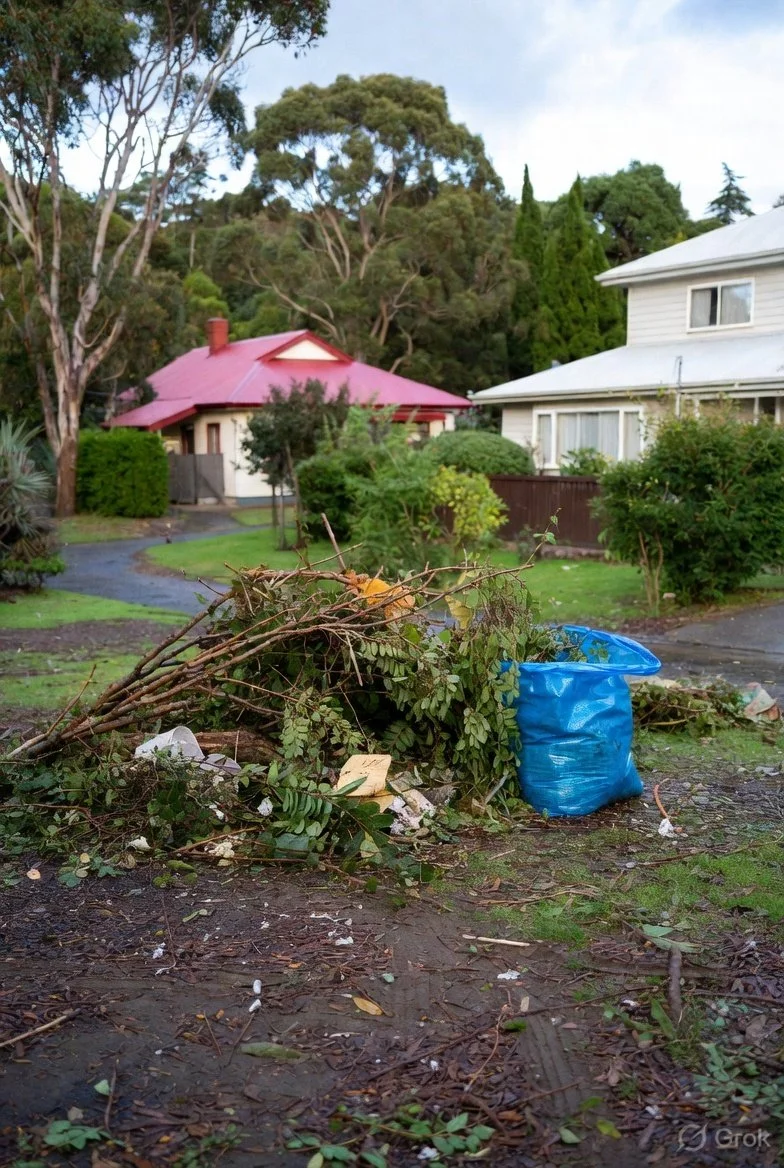
Hobart’s rubbish disposal regulations are governed by the City of Hobart Council and Tasmania’s Environmental Protection Authority (EPA), aiming to reduce landfill use and promote a circular economy. Kerbside collections use a three-bin system: weekly red-lidded general waste bins (120L), fortnightly recycling (yellow-lid for commingled containers, paper, and cardboard), and fortnightly FOGO (bright green-lid for food organics and garden organics). Contamination—placing wrong items in bins—can result in collections being skipped or entire loads rejected, increasing costs and environmental impact.
Larger or irregular waste items, including bulky furniture, renovation materials, or excess garden waste, cannot go in kerbside bins and require professional removal or self-delivery to approved sites like McRobies Gully Waste Management Centre. The council maintains an A-to-Z waste guide detailing disposal for hundreds of items, from aerosols (recycling) to hazardous substances (special facilities). Illegal dumping carries substantial fines, with enforcement focused on protecting waterways, bushland, and public spaces.
Controlled or hazardous waste—such as asbestos, chemicals, oils, paints, and certain medical waste—demands licensed handlers, documentation, and EPA approvals under the Environmental Management and Pollution Control (Waste Management) Regulations. Construction and demolition waste must be assessed for recyclability, with separation encouraged to divert materials like concrete, timber, and metals. The state landfill levy adds financial incentives for diversion, supporting the city’s target of closing the main landfill by 2030 and achieving zero waste to landfill.
Businesses face additional rules for commercial waste streams, including potential requirements for waste management plans. All operators must use licensed vehicles and facilities, maintaining records for traceability. Residents are encouraged to prioritise reuse, donation, and correct sorting to minimise general waste. These regulations reflect broader Tasmanian goals for sustainability, biodiversity protection, and resource recovery. Non-compliance not only risks penalties but undermines community efforts toward cleaner suburbs and reduced methane emissions from landfills. Staying informed through council resources ensures responsible disposal practices across Hobart.