A safari in Kenya offers an unforgettable opportunity to experience Africa’s iconic wildlife, breathtaking landscapes, and world-renowned national parks in one destination. As you venture into the heart of East Africa, the vast landscapes stretching across pristine savannahs and bustling wildlife provide an unparalleled encounter with nature’s wonders. Apart from the spectacular animal vistas, Kenya offers a rich tapestry of cultural heritage that’s woven through its indigenous communities and historical narratives. No matter what stage of planning you’re in, the allure of a Kenyan safari can capture your imagination and promise a transformative journey that blends nature with deep cultural experiences.
Introduction
As you consider destinations for an unforgettable safari, Kenya should indisputably be at the pinnacle of your list. With a reputation built on decades of outstanding wildlife preservation and tourism excellence, Kenya offers an unmatched safari experience. From the iconic imagery of elephants marching against the backdrop of Mount Kilimanjaro to the midnight roars of lions on the plains, each moment in Kenya becomes a vivid encounter with nature. Beyond its remarkable wildlife, Kenya’s rich cultural heritage and indigenous communities add a meaningful dimension to every safari experience. This is what sets Kenya as a perennial favorite among global explorers.
Why Kenya Remains a Top Safari Choice?
Kenya continues to be a top safari destination for several compelling reasons. Firstly, the country is deeply committed to wildlife conservation. You’ll find vast and protected national parks and reserves that span across millions of acres, providing sanctuary for diverse species including the world’s most beloved animals such as lions, elephants, and rhinoceroses. The dedication to preserving these habitats ensures that wildlife populations remain robust and accessible to visitors all year round.
Often regarded as the birthplace of the modern safari, Kenya is renowned for its highly experienced guides and professional safari operators. Their profound understanding of the land and its inhabitants allows for educational experiences that enrich your journey beyond mere observation. This commitment to excellence has kept Kenya at the forefront of safari tourism despite increasing competition from neighboring countries.
Additionally, Kenya’s rich cultural mosaic adds a distinctive flavor to your safari experience. As you interact with indigenous communities like the Maasai, Samburu, or Kikuyu, you gain insights into traditional ways of living that have coexisted harmoniously with nature for centuries. It’s this blend of wildlife spectacle and cultural narratives that positions Kenya as an unrivaled safari hub.
Safari Highlights: The Masai Mara and Beyond
When you think of a safari in Kenya, the Masai Mara often emerges as the quintessential experience. The reserve is renowned for its abundant wildlife, Big Five sightings, and the spectacular Great Migration, when millions of wildebeest, zebras, and gazelles cross the plains in search of fresh grazing.
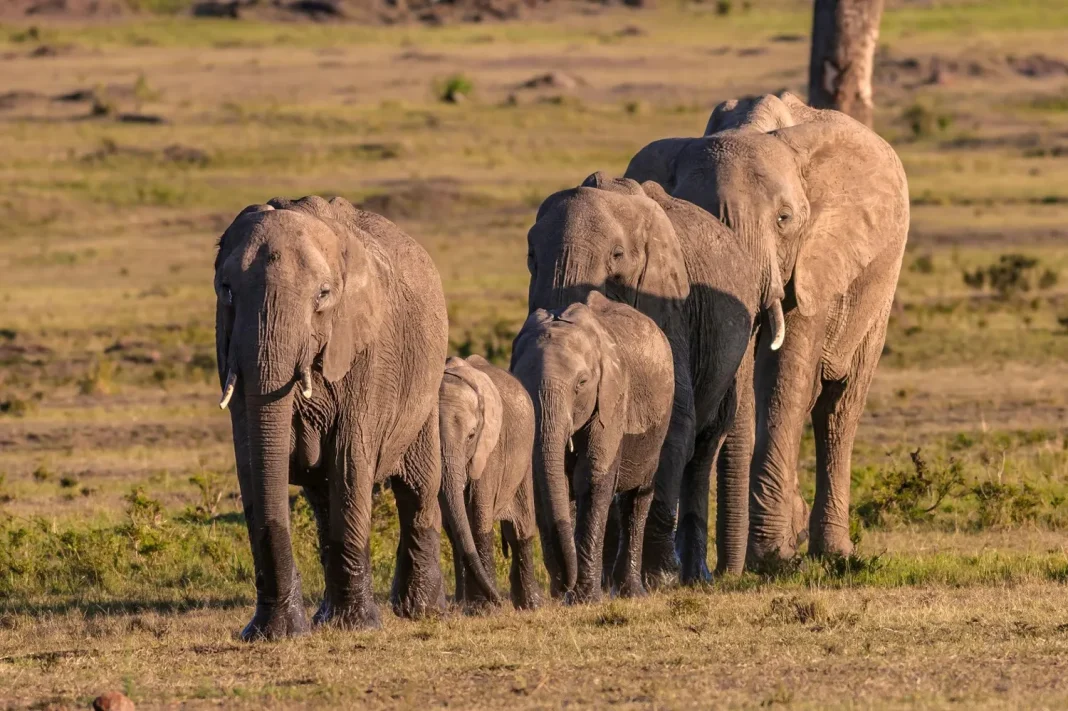
Beyond the Masai Mara, Kenya boasts numerous other parks that offer unique experiences. Amboseli National Park, situated near the base of Mount Kilimanjaro, is where you can observe large herds of elephants traversing open plains against stunning landscapes. Tsavo National Parks, known for their rhino sanctuaries and striking red elephants, provide rugged terrains and less crowded paths for those seeking a more secluded experience.
Furthermore, the Laikipia Plateau presents an extraordinary blend of conservation and community-led tourism projects, where opportunities for walking safaris and night game drives are available. Each region showcases distinct landscapes, wildlife, and safari activities, making every visit a unique adventure. The diversity of habitats and wildlife guarantees thrilling encounters that remain etched in your memory for a lifetime.
The Unique Phenomenon of the Great Migration
Among the most remarkable wildlife phenomena on the planet is the Great Migration—a natural event that you can witness nowhere else but in Kenya and the Serengeti of Tanzania. Each year, millions of wildebeests, zebras, and gazelles traverse the plain of the Serengeti towards the greener pastures of the Masai Mara, driven by instinct and the need to sustain their herds.
The sheer scale of the migration is a testament to the power of nature and the eternal cycle of life. Timing your visit to coincide with this migration offers the opportunity to witness thrilling river crossings where predators like crocodiles lie in wait, and lions and leopards track their prey across the savannah.
The Great Migration symbolizes not only the survival of species but also highlights the intricate balance of ecosystems. Watching this migration—a pivotal aspect of Kenya’s unparalleled wildlife encounters—is both a privilege and a powerful reminder of the natural world’s magnificence, resonating deeply with anyone who witnesses it.
Luxury Accommodations: Redefining Safari Stays
Your safari holiday isn’t just about the wildlife encounters; the quality of your accommodation significantly enhances the experience. In Kenya, you are offered a range of luxurious lodges and tented camps that redefine safari stays. From elegant tented camps to exclusive safari lodges, guests can enjoy premium amenities while staying close to nature.
From the ultra-modern facilities of camps like Mahali Mzuri, owned by Richard Branson, to the splendid eco-friendly Elewana camps, the emphasis is on offering an immersive experience. You will wake up to the sounds of the bush, enjoy gourmet meals, and partake in personalized service that’s attentive to detail.
Additionally, these accommodations emphasize sustainability, with many lodges actively participating in conservation programs and community support efforts. By choosing to stay at such establishments, your visit contributes to the preservation of Kenya’s natural and cultural resources, ensuring that future generations can enjoy these extraordinary landscapes.
Preparing for a Successful Safari Journey
Preparing for your Kenyan safari can be as exciting as the trip itself. You’ll want to make sure you’re ready for the adventure without any hitches. To start with, selecting the right time of year is crucial; although Kenya is a year-round destination, your experience can vary depending on the season.
Here are some tips to ensure a successful journey:
- Timing: The dry season between July and October is optimal for wildlife viewing, particularly the Great Migration. However, visiting during the ‘green season’ from November to May can offer lush landscapes and fewer tourists.
- Health Preparations: Consult with your doctor about vaccinations and anti-malaria tablets. A well-stocked first-aid kit is indispensable.
- Packing Essentials: Lightweight clothing in neutral colors, a hat, sunscreen, binoculars, and a good quality camera with zoom lenses for capturing wildlife.
Travel insurance is vital for any unexpected situations. Moreover, familiarizing yourself with local customs and basic phrases in Swahili can enhance interactions and create a more enriching cultural experience.
Conclusion
Kenya continues to set the standard for unforgettable safari experiences, combining extraordinary wildlife, breathtaking landscapes, and rich cultural heritage. From witnessing the Big Five and the Great Migration to exploring vibrant local traditions, every journey offers memorable experiences that go beyond wildlife viewing. The fusion of luxurious accommodations with conservation-conscious tourism promotes sustainable travel that benefits local communities and natural habitats. As you leave Kenya, the profound connections you’ve made with the land and its people linger, ensuring that the memories of this incredible journey stay with you long after you return home.
Frequently Asked Questions (FAQs)
1. What is the best time to go on a safari in Kenya?
The best time to visit Kenya for a safari is during the dry season from July to October, when wildlife is easier to spot and the Great Migration reaches the Masai Mara. The green season (November to May) is also an excellent time for birdwatching, lush scenery, and fewer crowds.
2. Which national park is best for a safari in Kenya?
The Masai Mara National Reserve is Kenya’s most famous safari destination, known for its Big Five wildlife and the Great Migration. Other popular parks include Amboseli National Park for elephant sightings, Tsavo East and Tsavo West National Parks for vast wilderness, and the Laikipia Plateau for unique conservation experiences.
3. Can you see the Big Five in Kenya?
Yes. Kenya is one of the best places in Africa to see the Big Five—lion, leopard, elephant, rhinoceros, and African buffalo. Many national parks and private conservancies offer excellent opportunities to spot these iconic animals during guided game drives.
4. Is Kenya a good destination for a luxury safari?
Absolutely. Kenya offers a wide range of luxury safari lodges and premium tented camps that combine modern comfort with authentic wildlife experiences. Many accommodations also support eco-friendly tourism and wildlife conservation initiatives.
5. Why is Kenya considered one of the world’s best safari destinations?
Kenya stands out for its incredible wildlife diversity, world-renowned national parks, the Great Migration, experienced safari guides, rich cultural heritage, and strong commitment to wildlife conservation. These features make it one of the most sought-after safari destinations in the world.