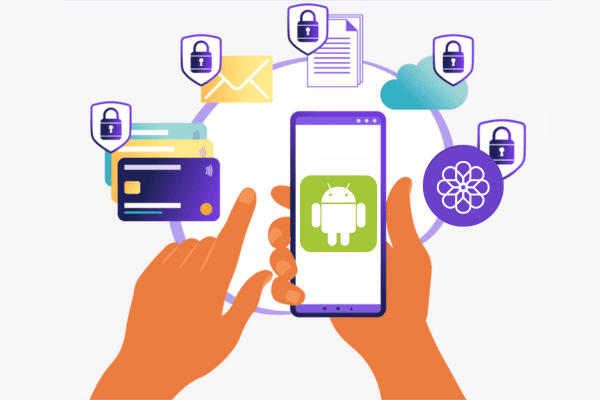
In today’s digital-first world, mobile applications are central to how businesses operate, interact with customers, and manage internal processes. Among various platforms, Android dominates the mobile landscape, powering billions of devices worldwide.
However, this popularity comes with heightened risk; cyberattacks, malware, and data breaches increasingly target Android apps. Implementing Android app security solutions is crucial for safeguarding sensitive business information, maintaining customer trust, and ensuring operational continuity. These solutions provide a layered defense that protects apps from multiple threats while allowing enterprises to innovate with confidence.
Why Mobile Security Matters for Businesses
Mobile apps are no longer just communication tools; they are an extension of business operations. Companies rely on mobile applications to manage workflows, interact with clients, and support digital transactions. Key areas of usage include:
- Employee productivity and team collaboration tools.
- Remote access to enterprise systems and databases.
- Mobile banking, fintech, and payment solutions.
- E-commerce and customer engagement apps.
- Internet of Things (IoT) device management.
With apps storing sensitive customer, financial, and business data, security lapses can be costly. Android’s open ecosystem, while flexible, increases risk, as apps from multiple sources and outdated devices create opportunities for malware and exploitation.
Common Threats to Android Business Apps
Understanding the threat landscape is crucial for effective defense. Some of the most common risks include:
- Malware and Spyware: Malicious applications can steal sensitive information, track user behavior, or run hidden processes without consent.
- Man-in-the-Middle (MitM) Attacks: Without proper encryption, data exchanged between apps and servers can be intercepted by attackers.
- Data Leakage: Apps may unintentionally expose sensitive information through insecure storage, logging, or excessive permissions.
- Reverse Engineering and Code Tampering: Attackers can decompile apps to steal intellectual property or inject malicious code.
- Rooted Device Exploits: Devices with elevated privileges bypass native security, allowing harmful apps greater access.
These threats highlight the importance of investing in advanced security measures for Android apps that handle critical business data.
Key Components of Android App Security Solutions
Apps and the data they handle need protection at multiple levels, including the app code, runtime environment, communication channels, and backend infrastructure. To achieve this, implementing robust Android app security solutions is essential. The following components form the foundation of a comprehensive security approach:
1. Secure Coding Practices
Security starts with the development process. Developers must follow defensive programming principles to reduce vulnerabilities:
- Validate all user input to prevent injection attacks.
- Implement the principle of least privilege for app permissions.
- Manage sessions and tokens securely.
- Avoid hardcoding credentials or sensitive information.
Secure coding ensures that apps are resilient against basic and advanced attacks before deployment.
2. Encryption of Data
Encryption transforms data into unreadable formats for unauthorized users. It is critical at two levels:
- Data at rest: All sensitive information stored on devices should be encrypted using platform-supported key management systems.
- Data in transit: SSL/TLS protocols must secure communications between the app and server, preventing interception.
Proper encryption protects data even if devices are lost, stolen, or temporarily compromised.
3. Runtime Protection and App Hardening
Runtime protections secure apps while they are in use:
- Detect debugging, tampering, and unauthorized modifications.
- Obfuscate code to prevent reverse engineering.
- Identify rooted or jailbroken devices.
Hardening the app and its runtime environment ensures attackers cannot exploit operational weaknesses easily.
4. Authentication and Authorization
Robust identity management prevents unauthorized access:
- Multi-factor authentication (MFA) for critical operations.
- Biometric authentication using fingerprints or facial recognition.
- Role-based access control (RBAC) to restrict sensitive features.
These measures ensure only legitimate users interact with sensitive data and features, reducing insider and outsider risks.
5. Secure Backend APIs
Mobile apps rely heavily on backend servers, making API security equally critical:
- Rate limiting prevents misuse or automated attacks.
- Input validation and token checks ensure data integrity.
- Encryption secures all server-client communications.
- Strict CORS policies control access from external domains.
Protecting backend APIs reduces data leakage and ensures secure integration with enterprise systems.
6. Continuous Monitoring
Cybersecurity is an ongoing process. Continuous monitoring identifies threats in real-time:
- Detect anomalous app or server behavior.
- Flag multiple failed login attempts.
- Monitor unusual data access patterns.
- Trigger alerts for potential breaches.
Monitoring allows businesses to respond swiftly to attacks, minimizing potential damage.
7. Security Testing and Vulnerability Scanning
Frequent testing throughout the development lifecycle is essential:
- Static code analysis reviews app code for vulnerabilities.
- Dynamic runtime testing simulates attacks while the app is in use.
- Penetration testing identifies exploitable weaknesses.
- Dependency scanning ensures third-party libraries are secure.
Regular testing keeps the app resilient against both known and emerging threats.
Benefits of Android App Security Solutions
Implementing strong security solutions provides measurable advantages:
- Enhanced Customer Trust: Secure apps inspire confidence, fostering long-term customer relationships.
- Regulatory Compliance: Helps businesses meet data protection standards such as GDPR, HIPAA, and PCI DSS.
- Financial Protection: Prevents costly breaches, reputational damage, and legal consequences.
- Operational Stability: Reduces downtime caused by attacks or malware infections.
- Competitive Advantage: Organizations known for robust security attract security-conscious clients.
Emerging Trends in Mobile Security
As threats evolve, businesses must stay ahead of new techniques:
- AI-powered Threat Detection: Machine learning identifies unusual patterns before attacks escalate.
- Zero Trust Architecture: Continuous verification ensures no user or device is inherently trusted.
- Decentralized Identity Solutions: Reduce reliance on centralized authentication servers, lowering attack surfaces.
- Hardware-Level Security: Trusted Execution Environments (TEEs) handle cryptographic operations securely.
Adopting these innovations strengthens enterprise defenses against sophisticated cyberattacks.
Midpoint Reminder: Holistic Protection Matters
A holistic approach to mobile security integrates Android app security solutions across all stages of app development and deployment. From coding and encryption to runtime monitoring and threat analytics, these measures protect data, maintain compliance, and boost user confidence.
Conclusion: Secure Your Business Data with Confidence
Mobile security is no longer optional; it’s essential. By implementing encryption, authentication, runtime protections, and continuous monitoring, businesses can protect sensitive data and maintain operational reliability.
If you are looking for reliable Android security solutions, platforms like DoveRunner provide integrated protection for mobile applications. Their approach focuses on proactive threat prevention, real-time monitoring, and secure app delivery. With Doverunner, businesses can confidently deploy mobile apps, knowing that sensitive data and critical operations are safeguarded at every step, enabling innovation while maintaining trust.