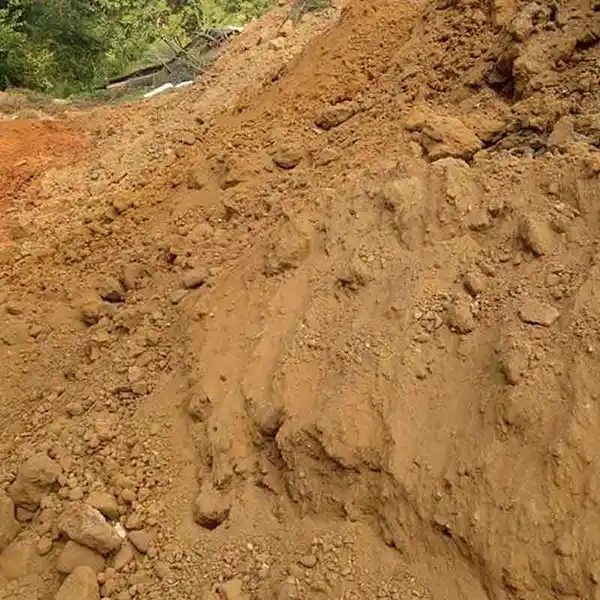
Large landscaping projects quickly reveal how much soil it actually takes to shape the ground. A few bags from the garden store may work for small flower beds, but grading a yard or filling low spots requires far more material. Contractors and homeowners often face the same decision: haul dozens of bags by hand or arrange bulk dirt delivery that brings the soil in a single load.
Bulk Dirt Covers Large Areas Faster vs. Small Bag Quantities
Spreading bulk soil across a wide area takes far less time than opening and emptying dozens of bags. A dump truck can deliver several cubic yards at once, which allows crews to move material with shovels, rakes, or equipment immediately. This approach helps workers cover large sections of ground quickly without constant interruptions. Bagged soil slows the pace because each bag must be lifted, cut open, and dumped individually.
Even small projects can require repeated trips to the store. Homeowners searching for dirt delivery near me often realize that bulk material allows them to focus on shaping the land rather than handling packaging.
Bulk Loads Cost less per Yard vs. Buying Dozens of Bags
Bulk soil generally costs less per cubic yard because suppliers do not package it into small bags. Landscape suppliers load material directly into trucks, which reduces packaging and transportation costs. That difference becomes noticeable when a project requires several yards of soil. Bagged soil can appear inexpensive at first glance, yet the price adds up quickly as the number of bags increases. Buyers comparing soil for sale often find that bulk purchases stretch their landscaping budget further while providing more material for the same cost.
Dump Truck Delivery Saves Labor vs. Unloading Many Bags
A single truck delivery removes much of the physical work involved in transporting soil. Once the truck arrives, the driver can deposit the load directly onto the site. Workers can begin spreading the material immediately rather than carrying dozens of bags across the yard. Bagged soil requires repeated lifting, loading, and unloading before the actual landscaping begins. Many people underestimate how tiring this process can be. Bulk fill dirt simplifies the job by placing the entire supply within reach from the start.
Bulk Soil Fills Grading Areas Easily vs. Limited Bag Supply
Grading a yard requires large amounts of soil to raise low areas and smooth uneven ground. Bulk loads provide the volume needed to shape slopes and level wide sections of land without running out of material halfway through the job. Bagged soil often limits how much progress can be made in one day.
A landscaping crew might exhaust its supply quickly and need to stop work to purchase more bags. Screened topsoil delivered in bulk allows crews to maintain steady progress while adjusting the grade across the entire property.
Large Truck Loads Move More Material vs. Store Bag Limits
Landscape suppliers transport bulk soil in trucks that carry multiple cubic yards in one trip. This capacity makes it easier to deliver enough material for extensive landscaping projects. Contractors working on new lawns or construction sites rely on these deliveries to keep projects moving.
Retail stores typically stock bagged soil in smaller quantities. Even a fully loaded cart may only provide a fraction of what a large job requires. Truckloads of topsoil give landscapers the freedom to complete major projects without repeated supply runs.
Bulk Dirt Spreads Quickly Across Sites vs. Bag by Bag Work
Once bulk soil arrives, workers can spread it using rakes, loaders, or grading equipment. The process moves quickly because the material sits in one central pile ready for distribution.
Opening bags one at a time interrupts the workflow and slows progress. Landscapers prefer soil that contains minimal rocks and minimal clumps because it spreads smoothly across the ground. Bulk deliveries often arrive screened and prepared for easy leveling.
Bulk Deliveries Support Heavy Equipment vs. Manual Bag Use
Many landscaping projects rely on skid steers or small tractors to move soil efficiently. Bulk loads work well with this equipment because machines can scoop and spread the material in large sections.
Bagged soil does not pair well with equipment because it requires manual handling first. Contractors often choose soil that is free of large debris so machinery can move it easily without clogging buckets or blades.
Bulk Soil Works Better for Big Lawns vs. Small Bag Loads
Establishing a large lawn requires deep soil coverage to support healthy grass roots. Bulk soil provides the volume needed to prepare the entire area at once, ensuring consistent depth throughout the yard. Quality soil also improves long-term lawn health when it is nutrient-rich and properly screened. Landscapers often recommend bulk soil because it creates a stable base for seeding or sod installation. Bulk soil delivery saves time, labor, and cost when landscaping projects grow beyond small garden beds. Large truckloads provide the material needed to grade land, build lawns, and shape outdoor spaces efficiently. You can rely on North Alabama Rock & Dirt for bulk soil and aggregate delivery that gives homeowners and contractors the dependable materials needed to complete large landscaping projects efficiently.